
Small apartments, big expectations
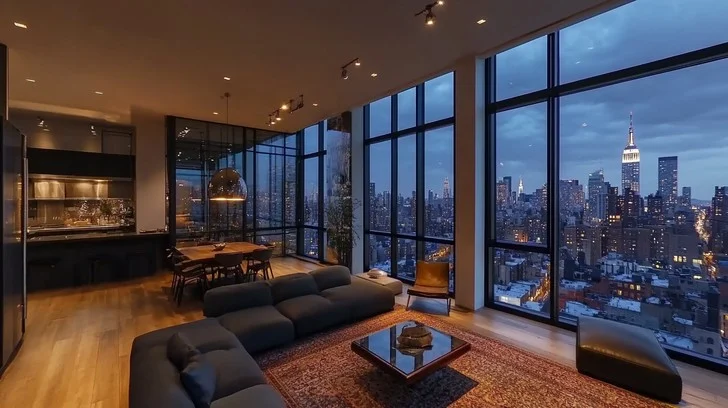
The new urban reality: compactness in a prestigious location
The real estate market in major cities is undergoing a distinct transformation. If a few years ago more square footage was a natural goal for most buyers, today a different priority is increasingly emerging: more compact housing, but in an established, central or strategically located urban area.
This is not a temporary impulse, but a sustainable trend, confirmed by analyses of the Bulgarian market. The data show an increased interest in homes up to about 80 sq.m., as well as in functional two-bedroom apartments with well-organized interior space. Large space is no longer an automatic advantage - it must be justified by location and practicality.
Location as a leading criterion
In today's urban environment, place is increasingly important. Buyers are looking for:
- neighbourhoods with established infrastructure;
- convenient connection with public transport;
- proximity to business centres and educational institutions;
- Access to parks, cultural spaces and an active social environment.
In this context, a compact apartment in a good area is perceived as a conscious and strategic choice rather than a compromise. International observations on European markets also confirm that smaller homes in prestigious areas remain among the most sought after and most liquid assets.
Functionality over excess space

Another key aspect of this trend is the changed understanding of space. Today, it is not enough for a home to be large - it must be logically distributed and adaptable to lifestyle.
Demand concentrates on:
- spacious living areas, even within a smaller square footage;
- separate bedrooms with real functionality;
- availability of a balcony or terrace;
- natural light and good orientation.
Market logic suggests that a well-designed compact property is often perceived as better value than a larger but dysfunctional apartment.
Compact property as a stable market segment
In terms of market dynamics, smaller homes in quality neighborhoods cover a broad profile of buyers - young professionals, small families, investors. This makes them a resilient segment that remains active even as the overall economic environment changes.
Observations in European markets show a similar pattern: compact apartments in central areas remain among the most liquid assets because they combine affordability of space with high urban value.
Change in lifestyle
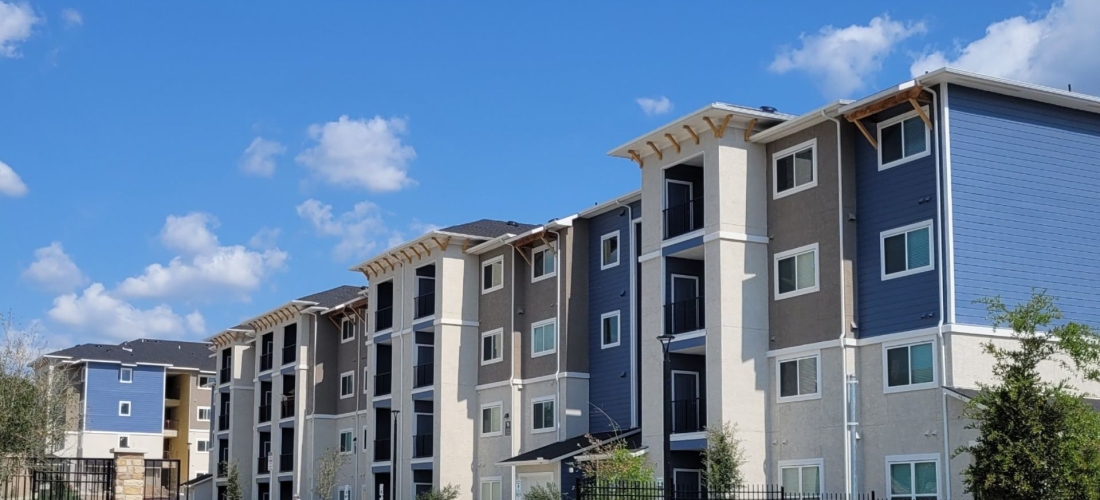
This trend also reflects a deeper cultural shift. More and more people appreciate:
- short distances in everyday life;
- the possibility of pedestrian access to services and entertainment;
- integration into an active urban environment;
- work-life balance.
The focus is gradually shifting from the question „How many square meters?“ to „Where and how do I live?“. Space is seen in the context of the environment, not isolated from it.
What does this mean for the market?
The strong demand for smaller homes in upscale areas is shaping a distinct segment that remains active and competitive. Location is emerging as the dominant factor in choice and functionality as a key criterion of value.
This is not a short-term market wave, but a structural change in buyer behavior. Quality urban environment, convenience and practical layout are becoming the key measures of desirable housing.
The Agenzia perspective
At Agenzia, we view these processes not just as statistics, but as strategic benchmarks. Understanding which properties are in demand and why certain segments remain resilient allows for more precise advice and better positioning of each offering.
The compact apartment in an established location is no longer an alternative.
It is a reflection of the new urban logic - functionality, dynamism and living in the heart of possibilities.